Food and water are what make us get our energy and nutrients that help in sustaining life. Without agriculture, animals, vegetables, fruits, and other things, we would not have enough to survive.
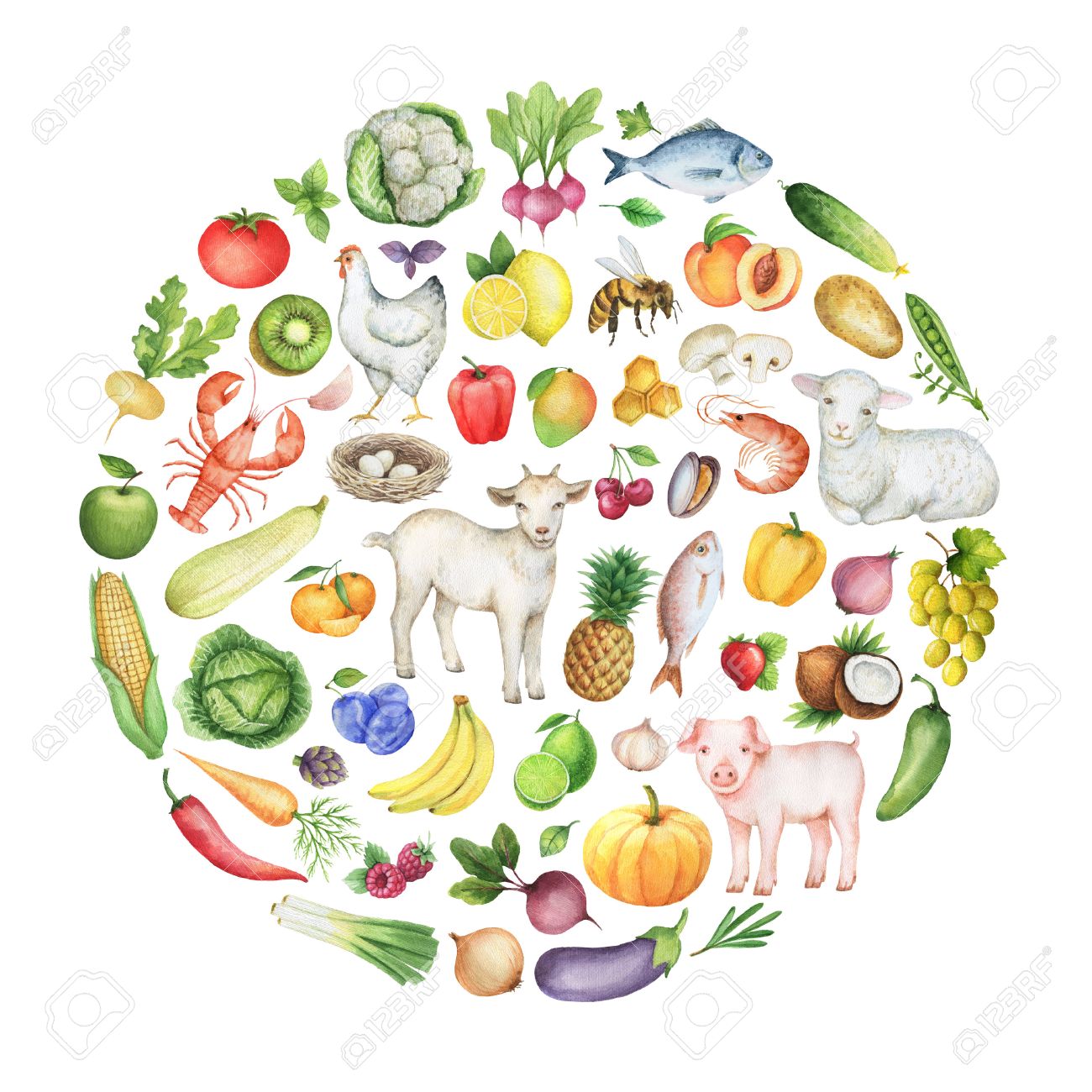
Agriculture is the science of cultivating plants and animals as food crops. Currently agriculture occupies about 35 percent of the Earth’s land surface (Robertson, 2017, p. 224).

Robertson, M. (2017). Sustainability Principles and Practice. Abingdon, Oxon: Routledge.
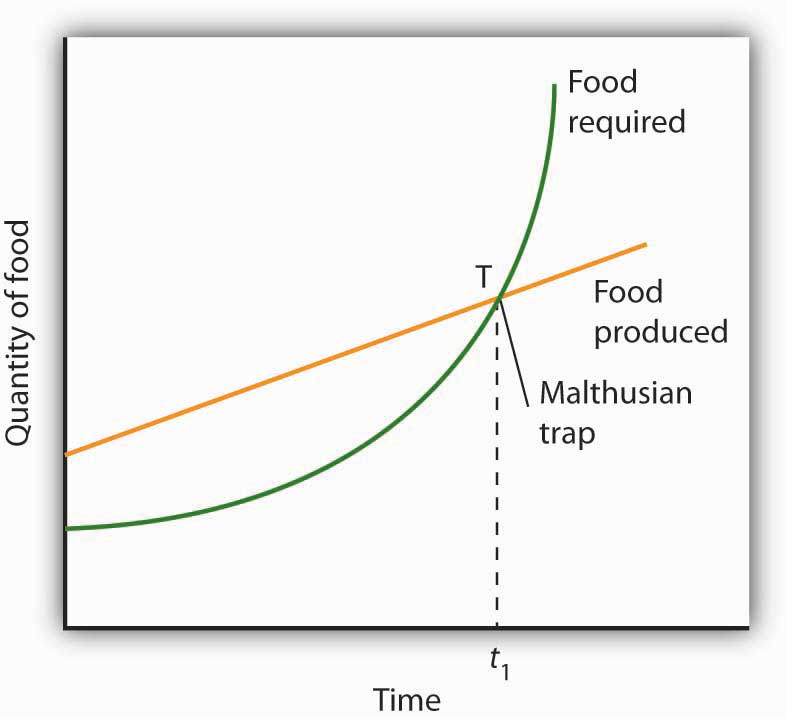
As the population of the world grows, it has gotten harder to predict if enough food resources will be available in the future. The green revolution of the 1960s and 1970s helped to produce food at higher rates to feed the growing populations.
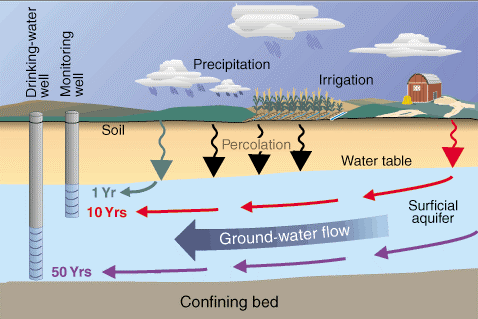
The creation of advanced technology usage to create food at a larger scale has also been a burden to our waterways. This is because “runoff from pesticide applications and from factory-farm sewage introduces pollution in the form of chemicals, antibiotics, and pathogens to lakes and rivers” (Robertson, 2017, p. 232). 70 percent of the world’s water is used for irrigation, if the pollutants from the pesticides gets into our waterways then this can create a greater problem to sustaining live both in water and on land.
Robertson, M. (2017). Sustainability Principles and Practice. Abingdon, Oxon: Routledge.
 What Is Sustainability?