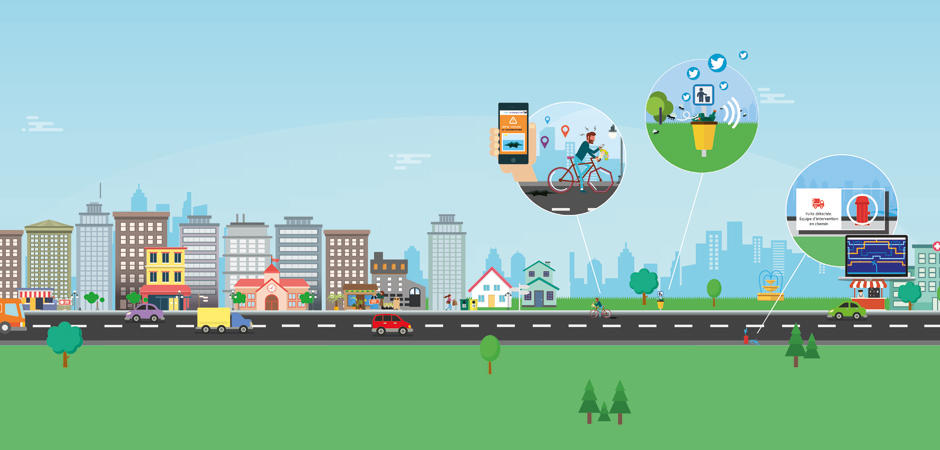
As our population continues to grow to unimaginable numbers, we need to have “livable cities”. As Robertson (2017) states, “These converging trends point to an enormous opportunity to plan, design, build, and operate new or regenerated cities in ways that are different and better than before. Design and planning on an urban and regional scale have an even greater impact on sustainability than the design of individual buildings” (p. 208).
Robertson, M. (2017). Sustainability Principles and Practice. Abingdon, Oxon: Routledge.
In order to construct a more sustainable future we ought to plan better how to reduce the problem of sprawling. Unfortunately, as of now the financial gain is considered a priority, the future of the planet is not as valuable to most constructors. Southwest Florida is among the fastest growing regions in the United States, however, I feel that they are not planning adequately before constructing the new sites. Robertson (2017) defines planning as “a profession that deals with creating places and communities that are healthy, efficient, attractive, and equitable for present and future generations” (p. 209).
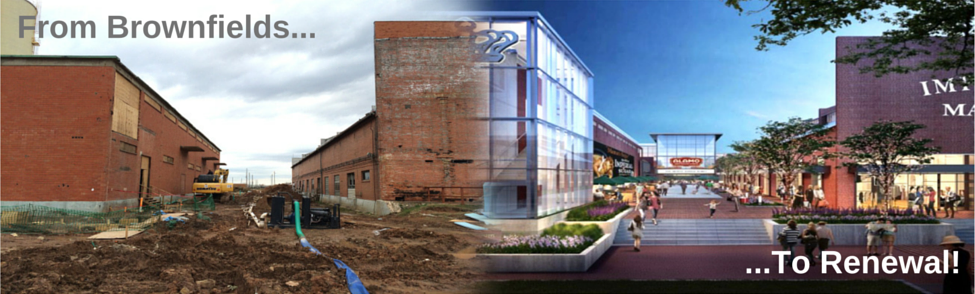
Sprawling is a huge and common problem in our era. This is because new developments are made in areas that are considered greenfields. Brownfield developments is a better way to reconstruct areas that are old and need remodeling rather than tearing down forests and fertile soil grounds that can be used for agriculture instead. There are alternatives that planning professionals should consider before making sprawling become an issue.

Robertson, M. (2017). Sustainability Principles and Practice. Abingdon, Oxon: Routledge.
Working as an agent for change should be something that all young generations should have in mind. However, being an agent for change is not an easy task. Robertson (2017) mentions that in order to be an agent for change one must have an “understanding of environmental, economic, and social systems and their interconnectedness and the ability to think at multiple scales in the face of very big issues” (p. 330).

Robertson, M. (2017). Sustainability Principles and Practice. Abingdon, Oxon: Routledge.
 What Is Sustainability?